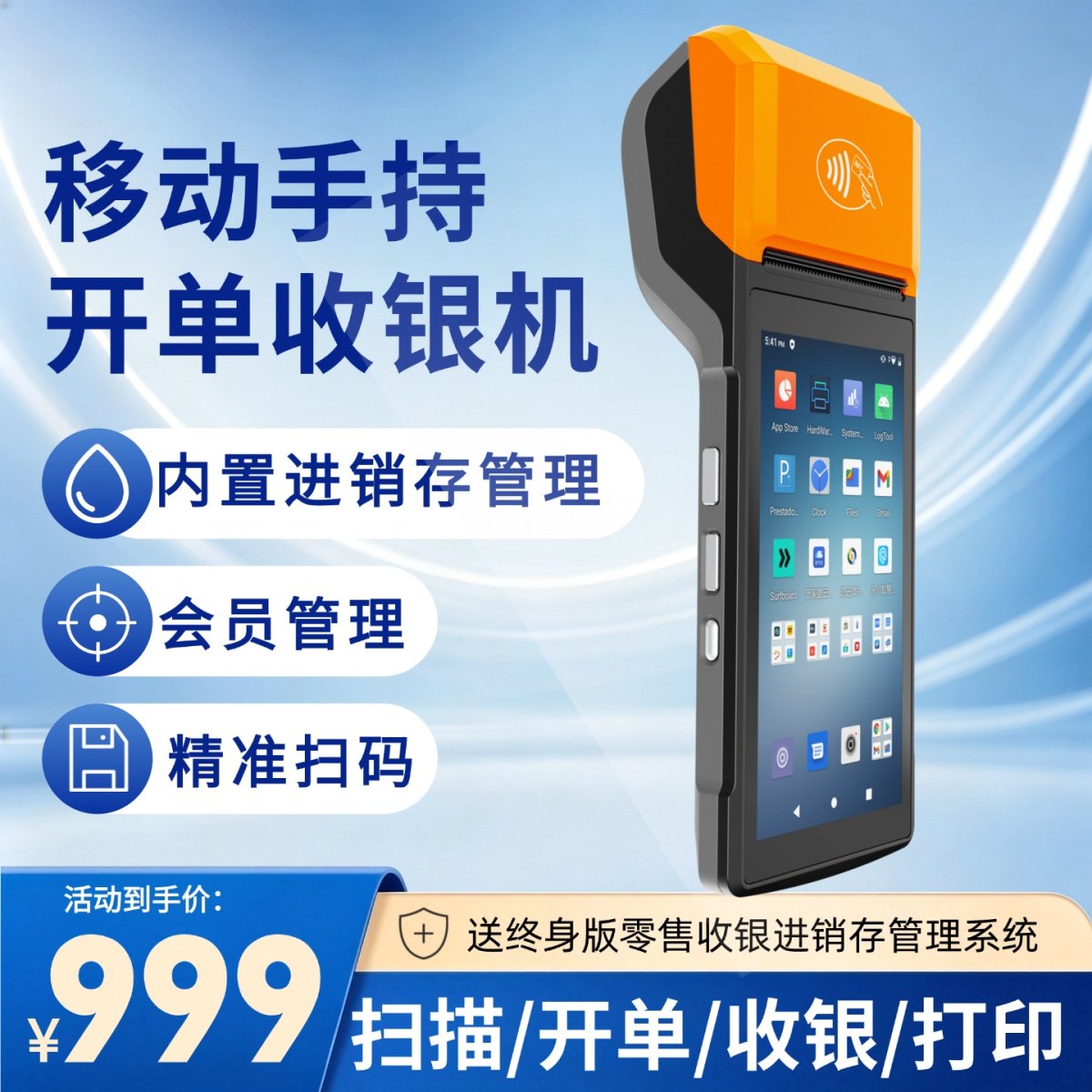
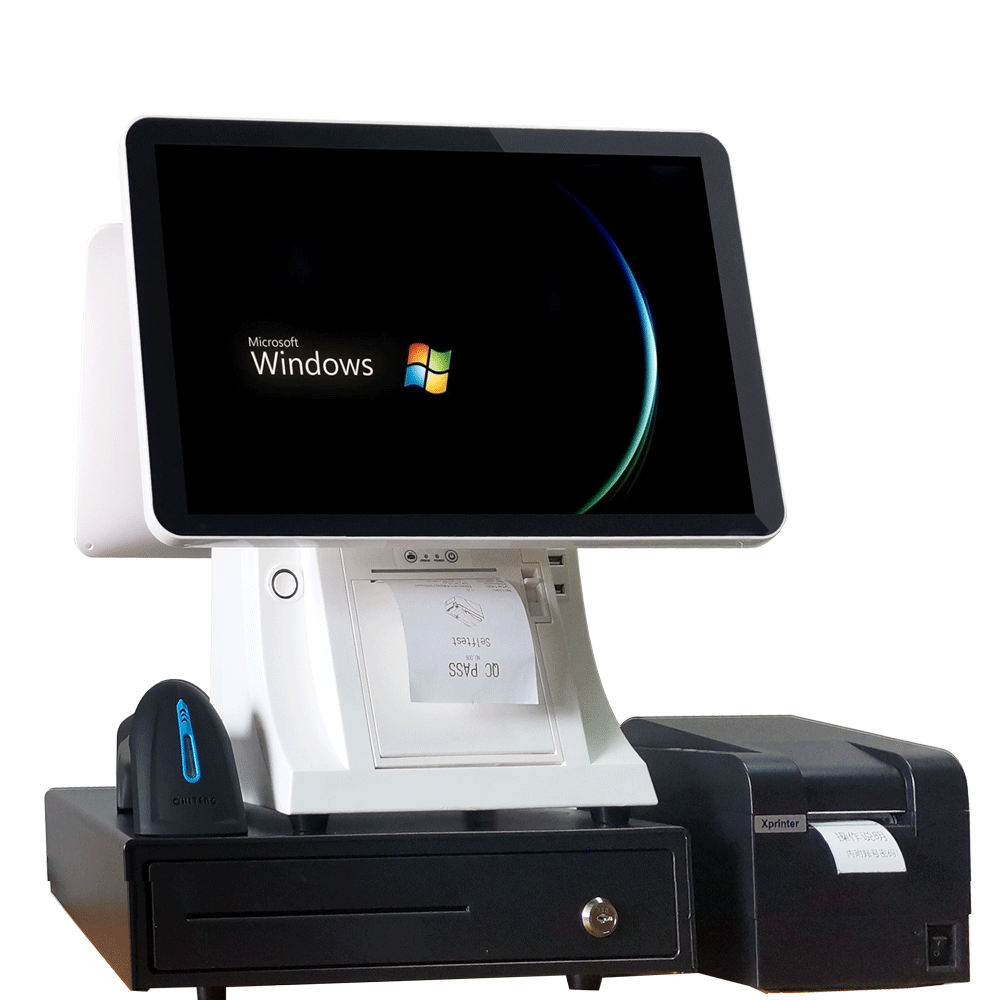
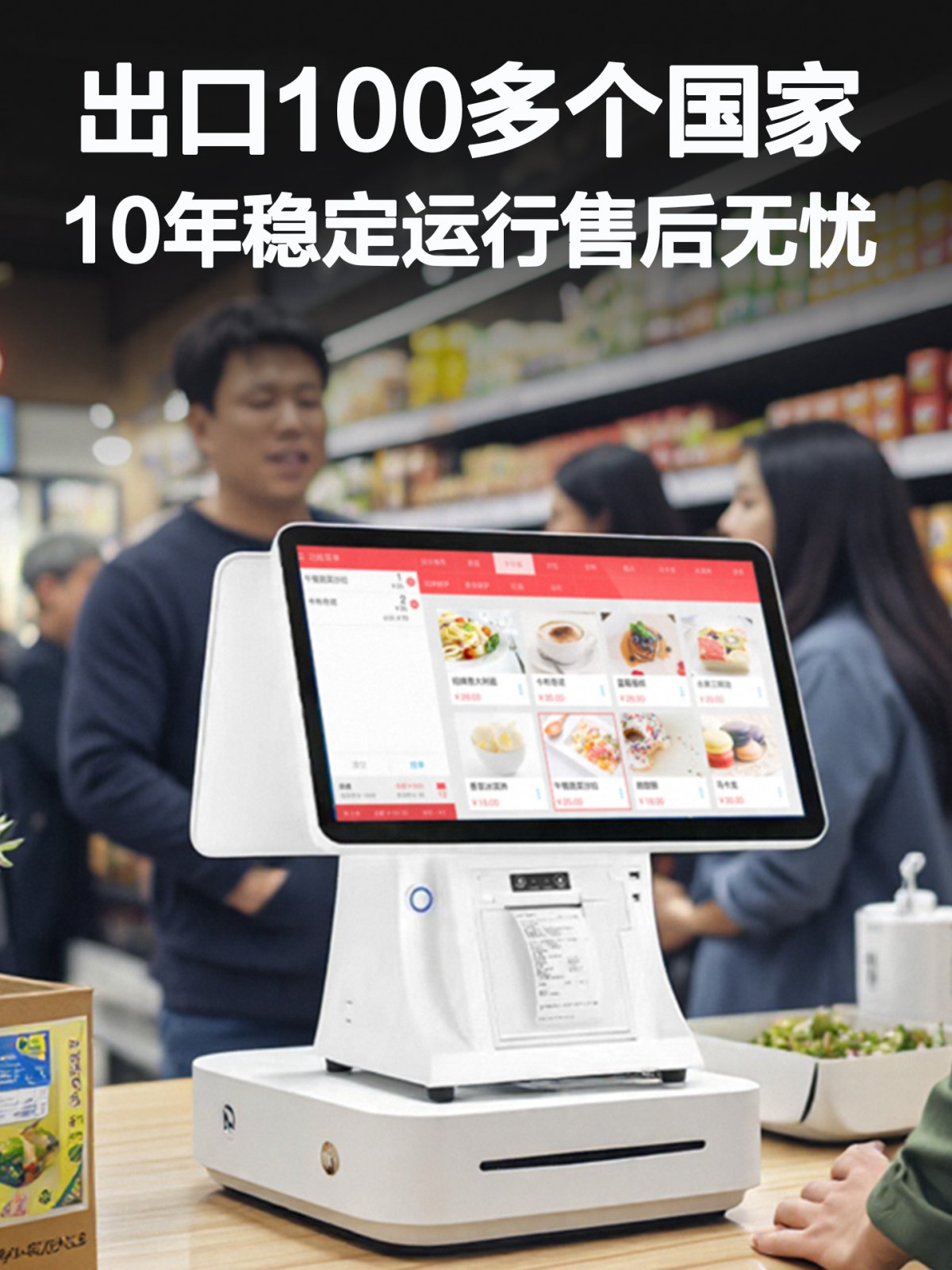
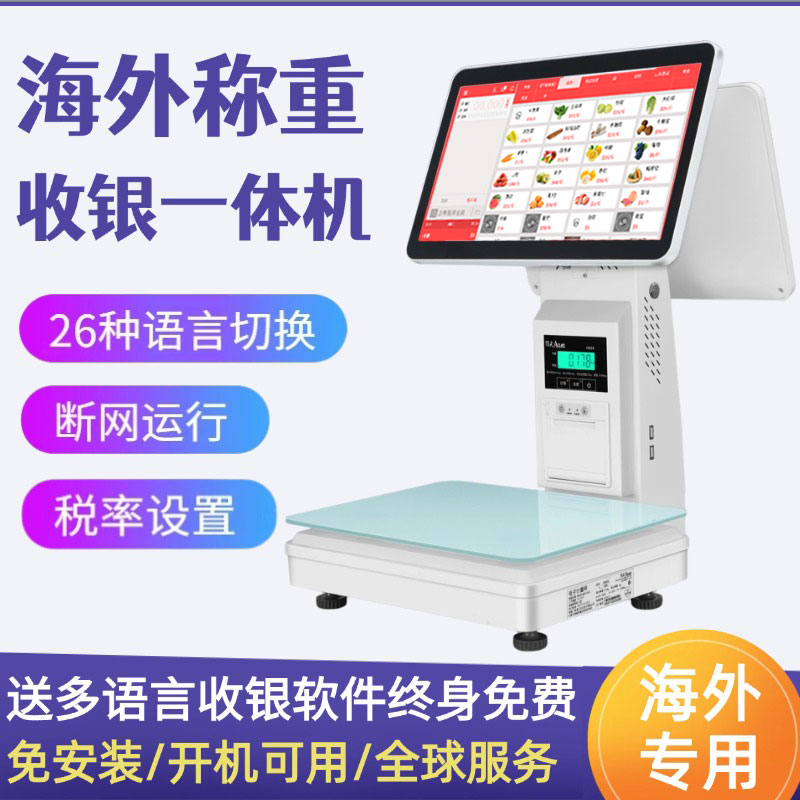
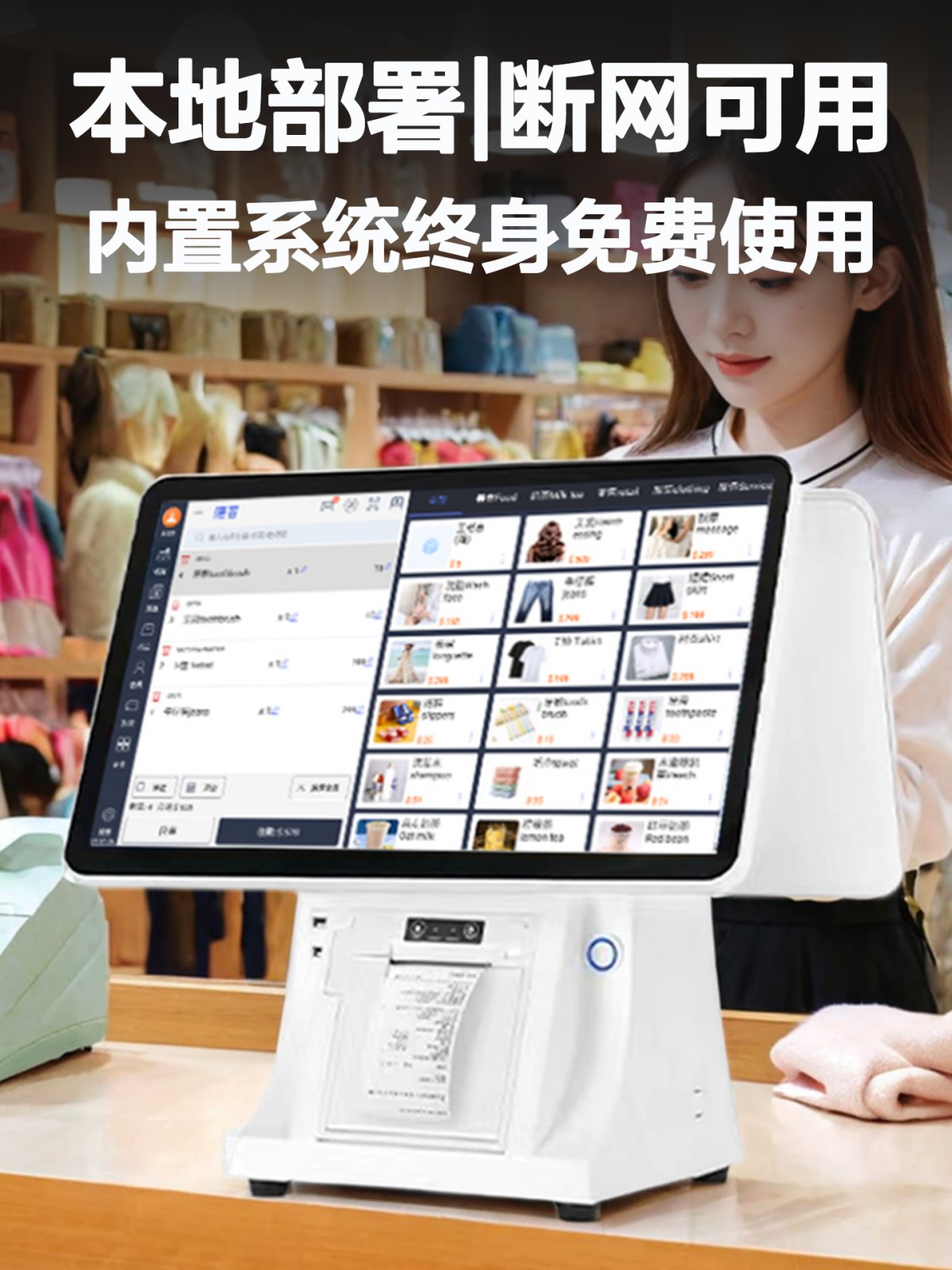
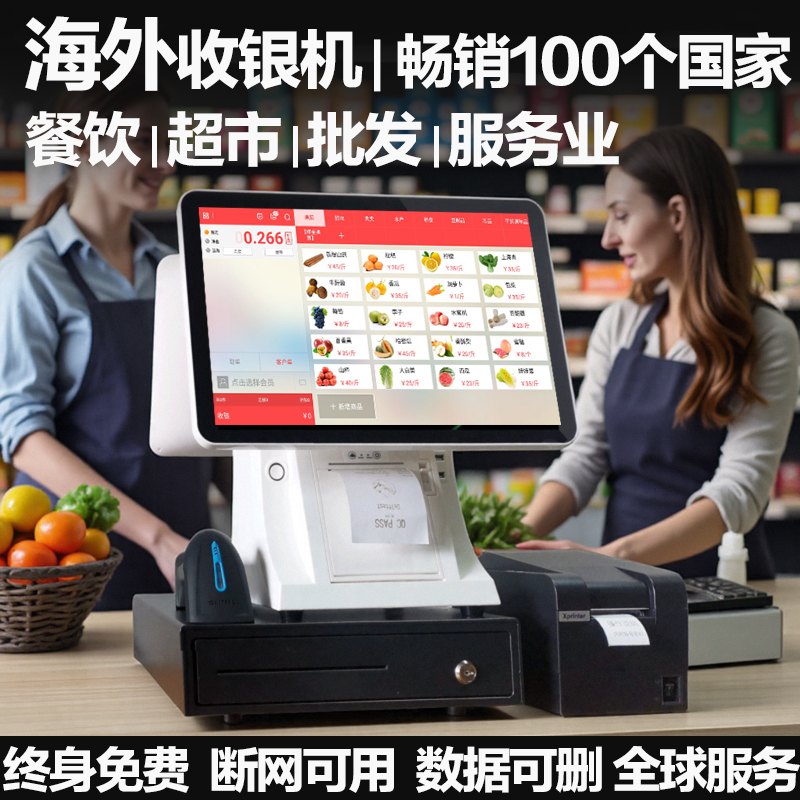
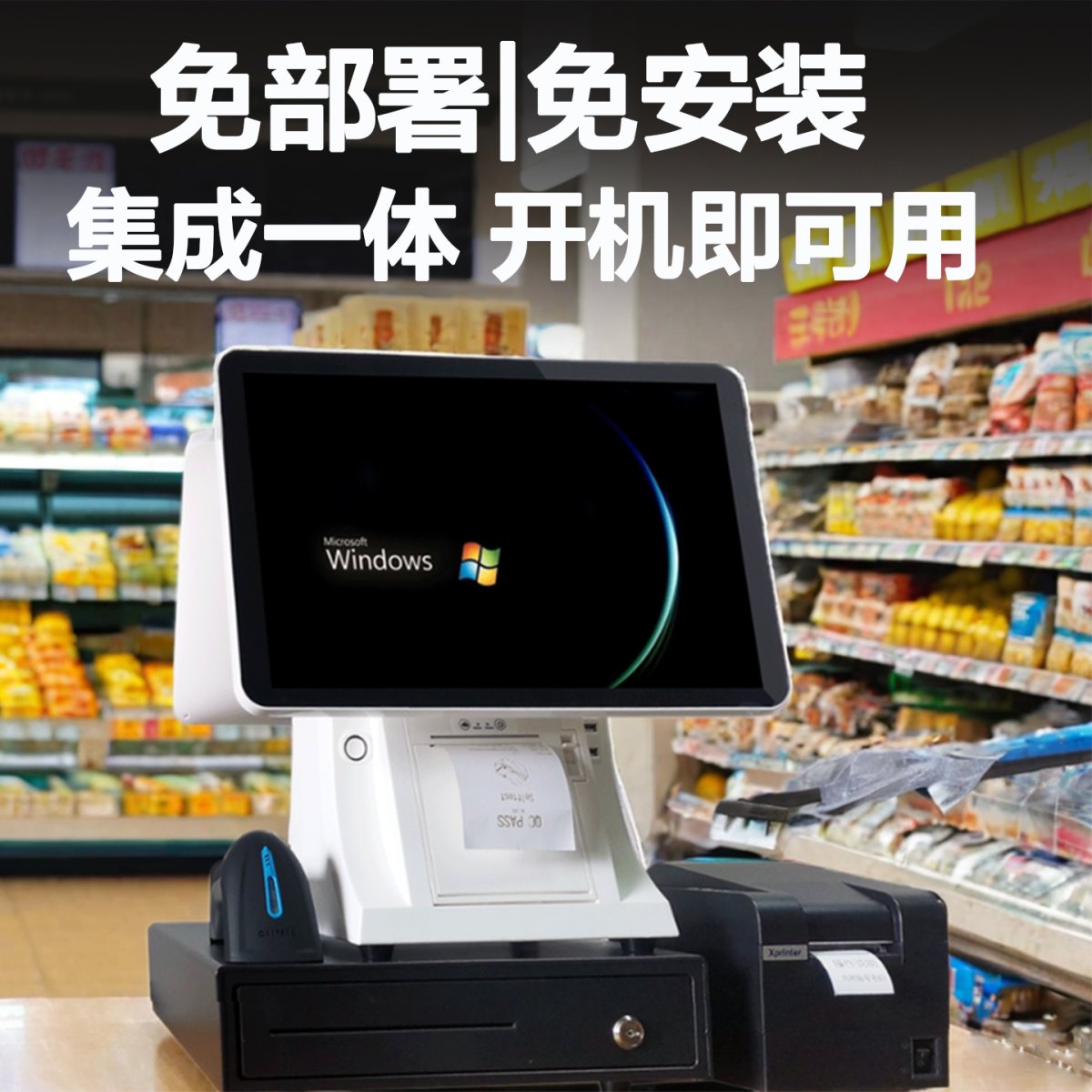
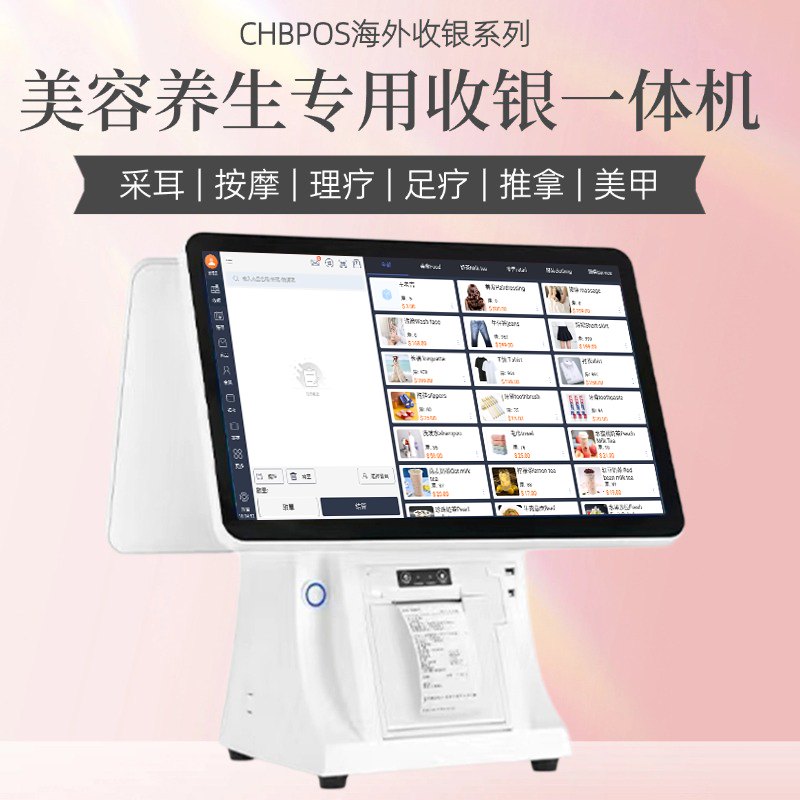
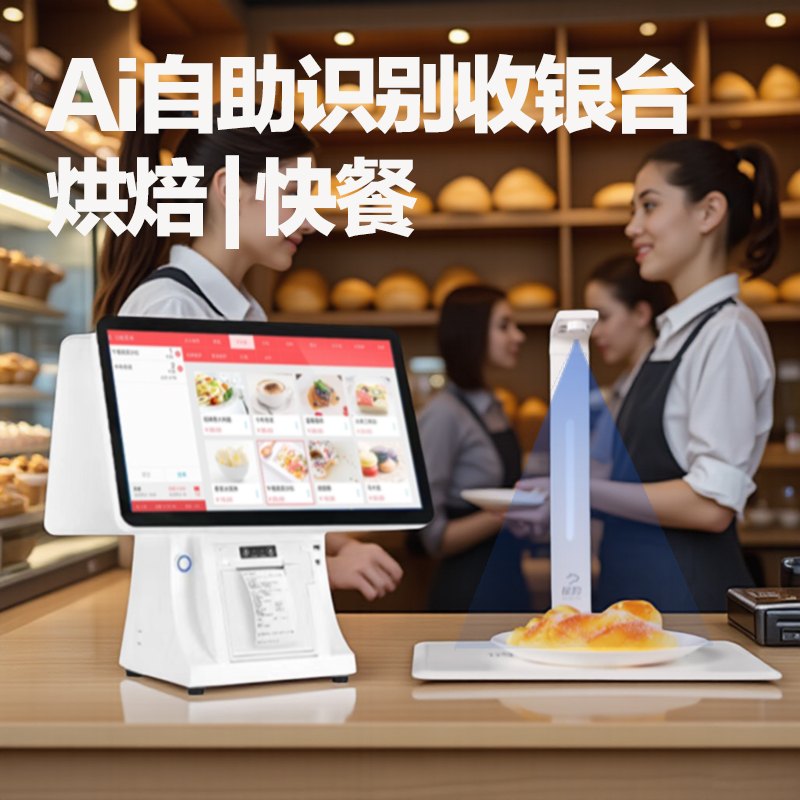
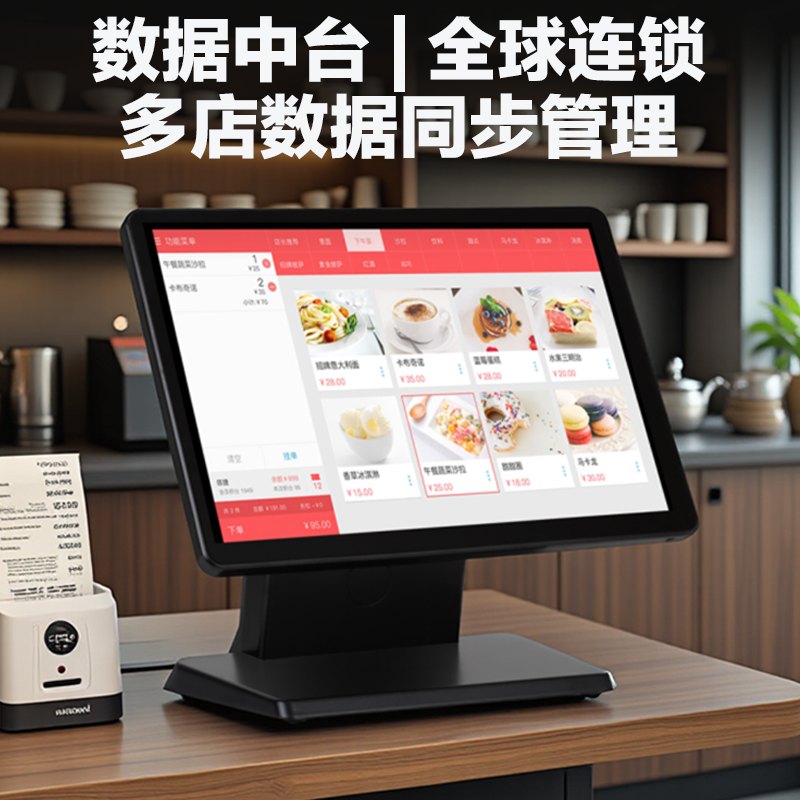
K8 Dual-Screen POS Terminal
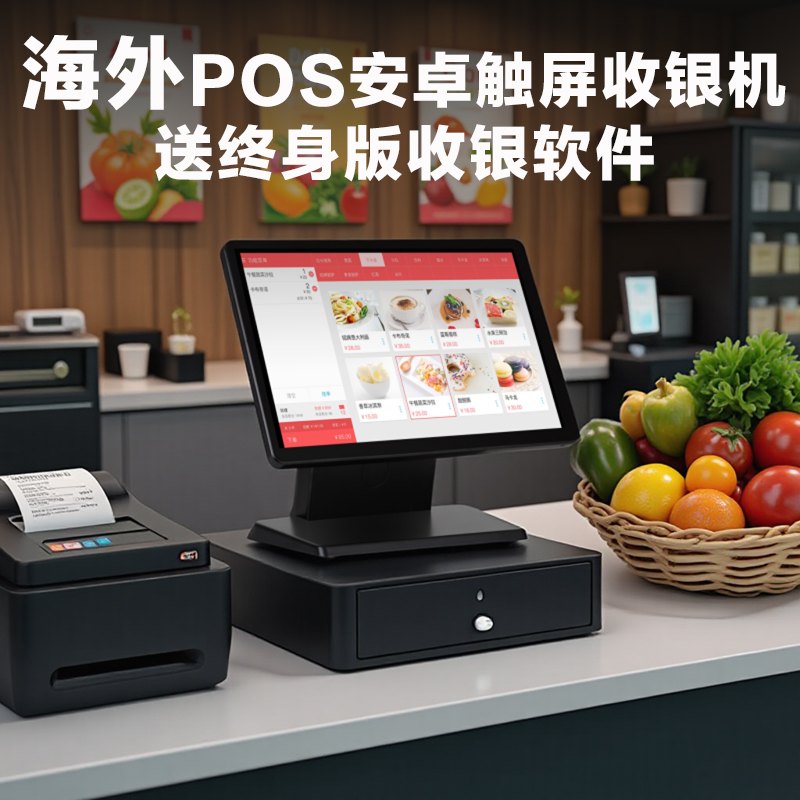
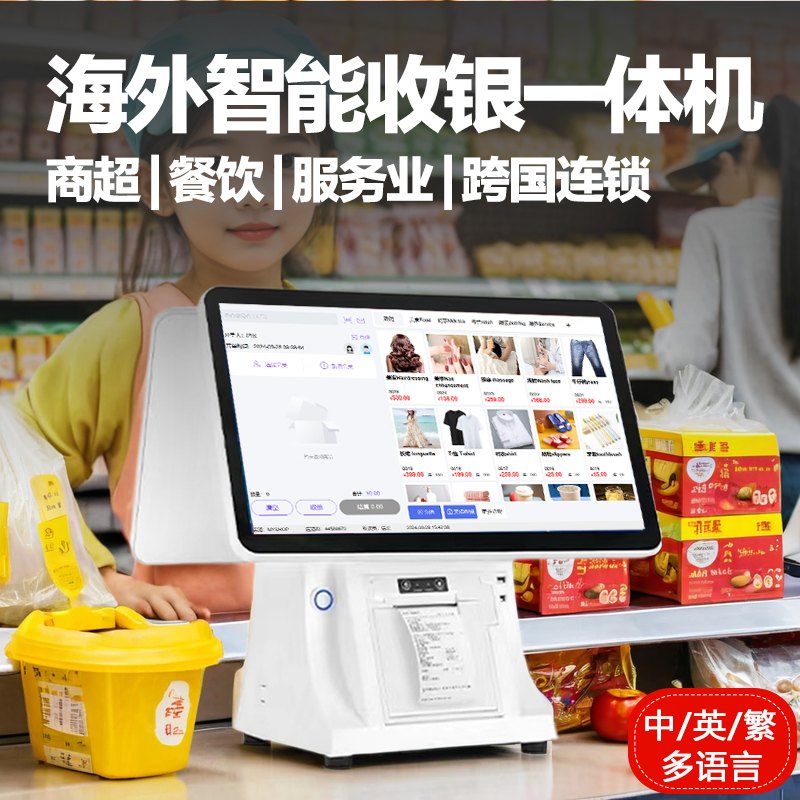
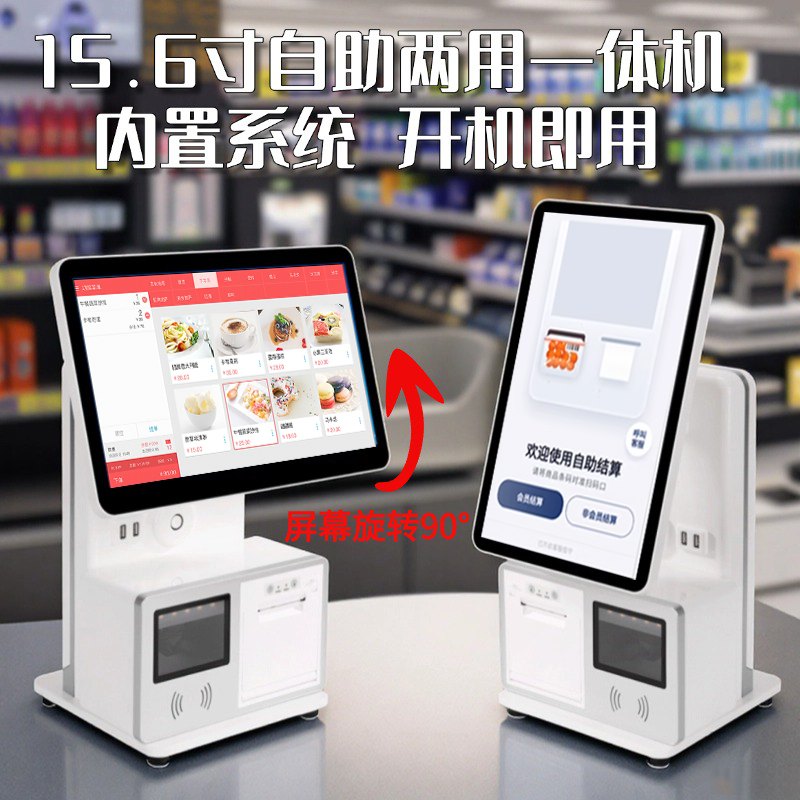
Windows all-in-one with a built-in receipt printer and customer display
Learn more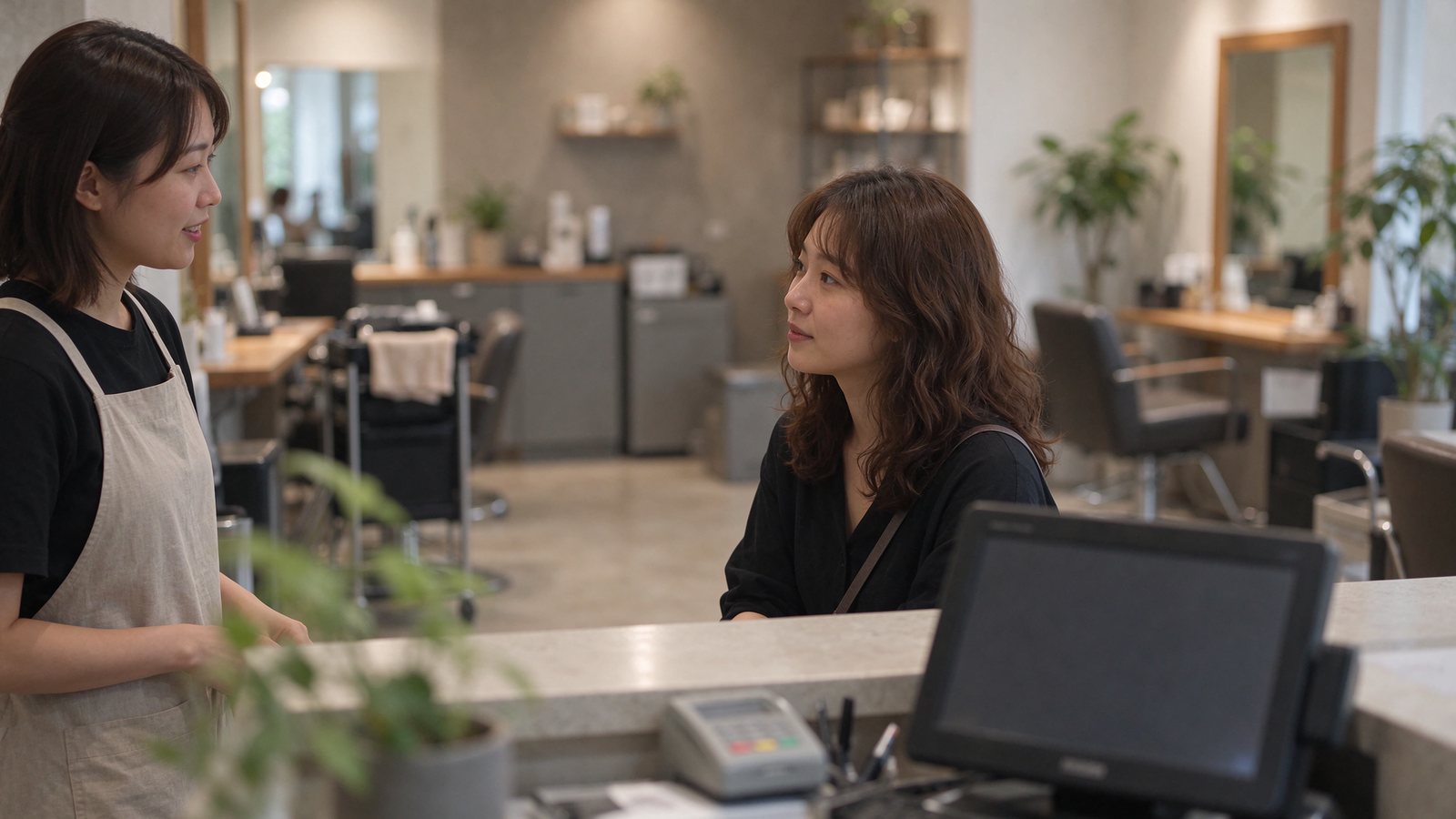
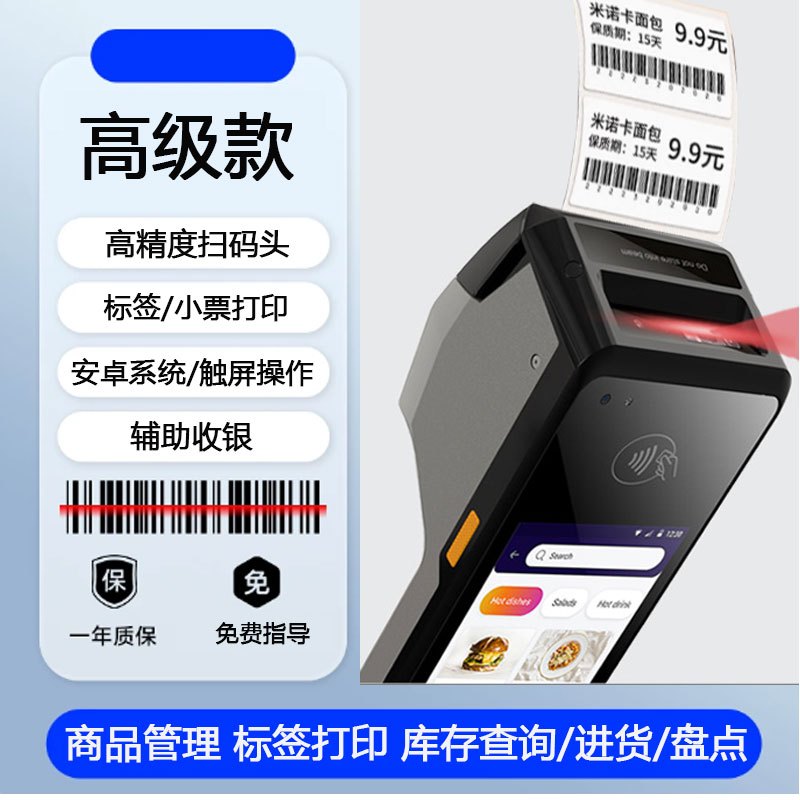
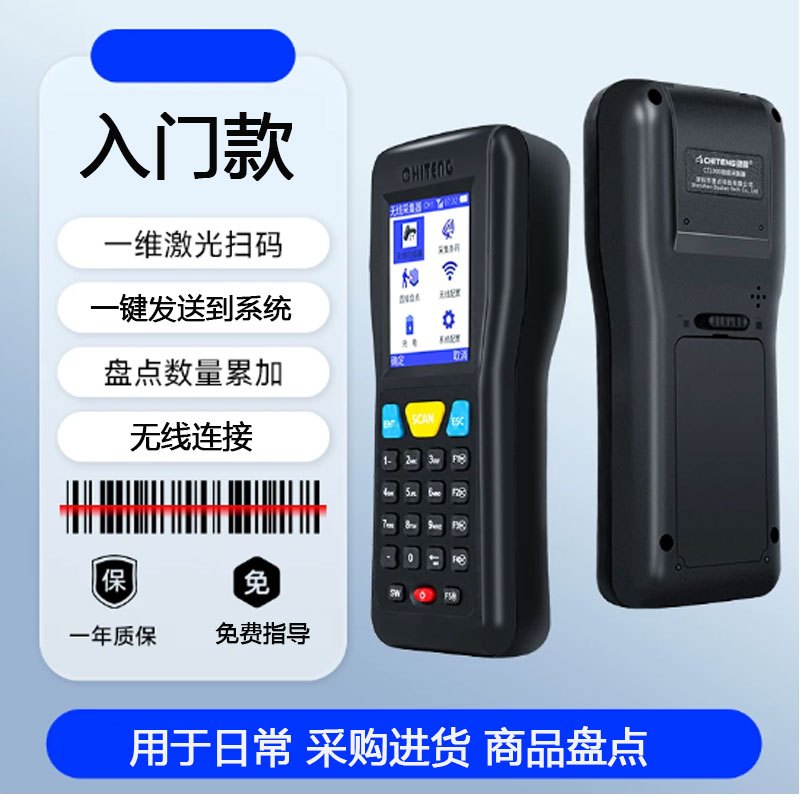
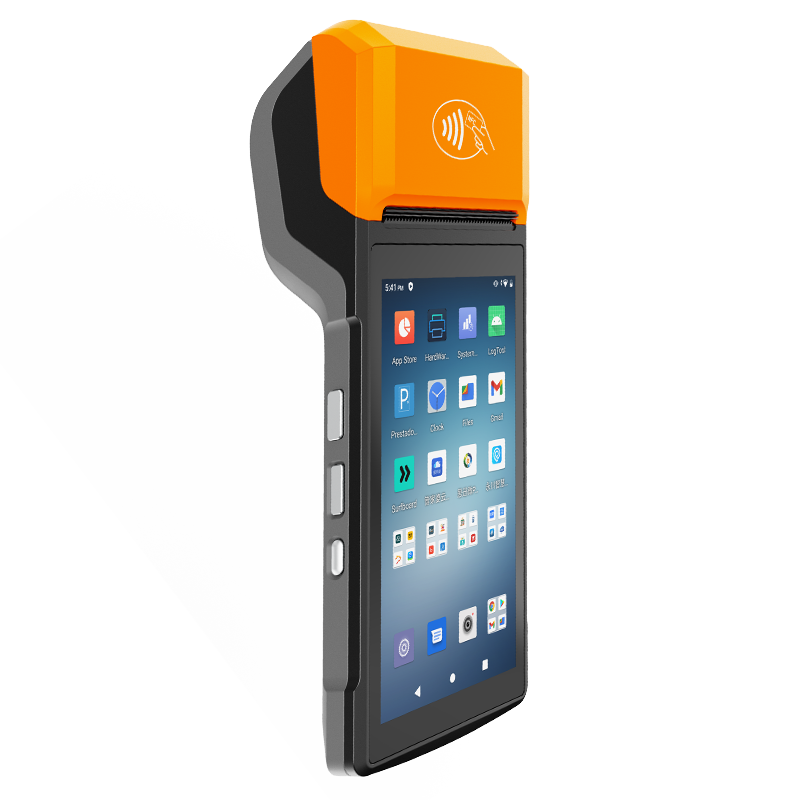
A K8 at reception handles payment and bookings, therapists confirm services and take payment in the treatment room on a Shangrui handheld, while member records, packages and commission rules live in the back office - one transaction deducts a session and books the commission.
Service businesses do not sell products, they sell time and skill. A double booking, a wrongly deducted package or a wrong commission costs you the regular customer immediately. Keeping booking, service item and payment in one record lets the therapist close the ticket in the room while reception stays where it belongs.
Packages are where mistakes cluster: sold once, deducted once, remaining sessions visible to the customer at any time, so staff never have to answer from memory. Commission is calculated from the service and the person who performed it, and month-end export becomes payroll input instead of a rebuild.
In overseas stores the team often speaks more than one language: the till and booking screens switch language per user, receipts print in the language the store sets, and training a new colleague stops being a translation exercise.
Windows all-in-one with a built-in receipt printer and customer display
Learn more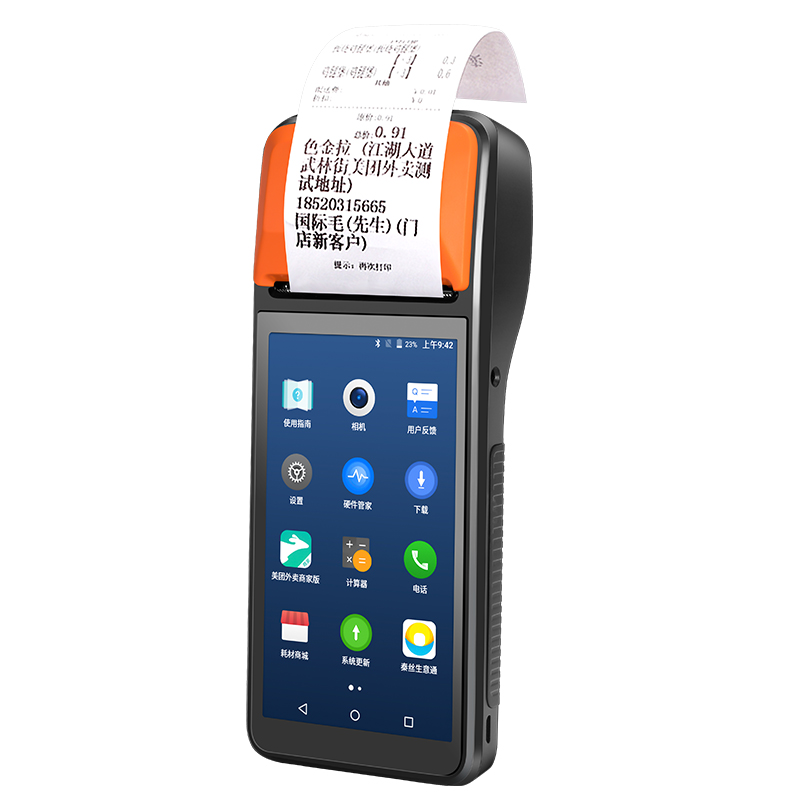
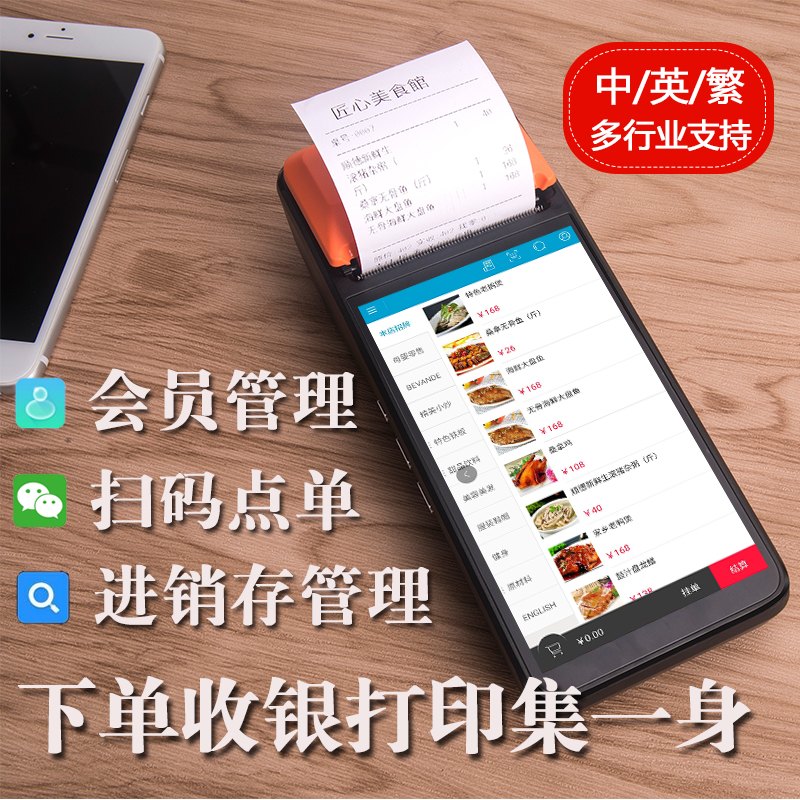

Mobile payments for Chinese-speaking stores in HK, Macau, Taiwan and South-East Asia
Learn more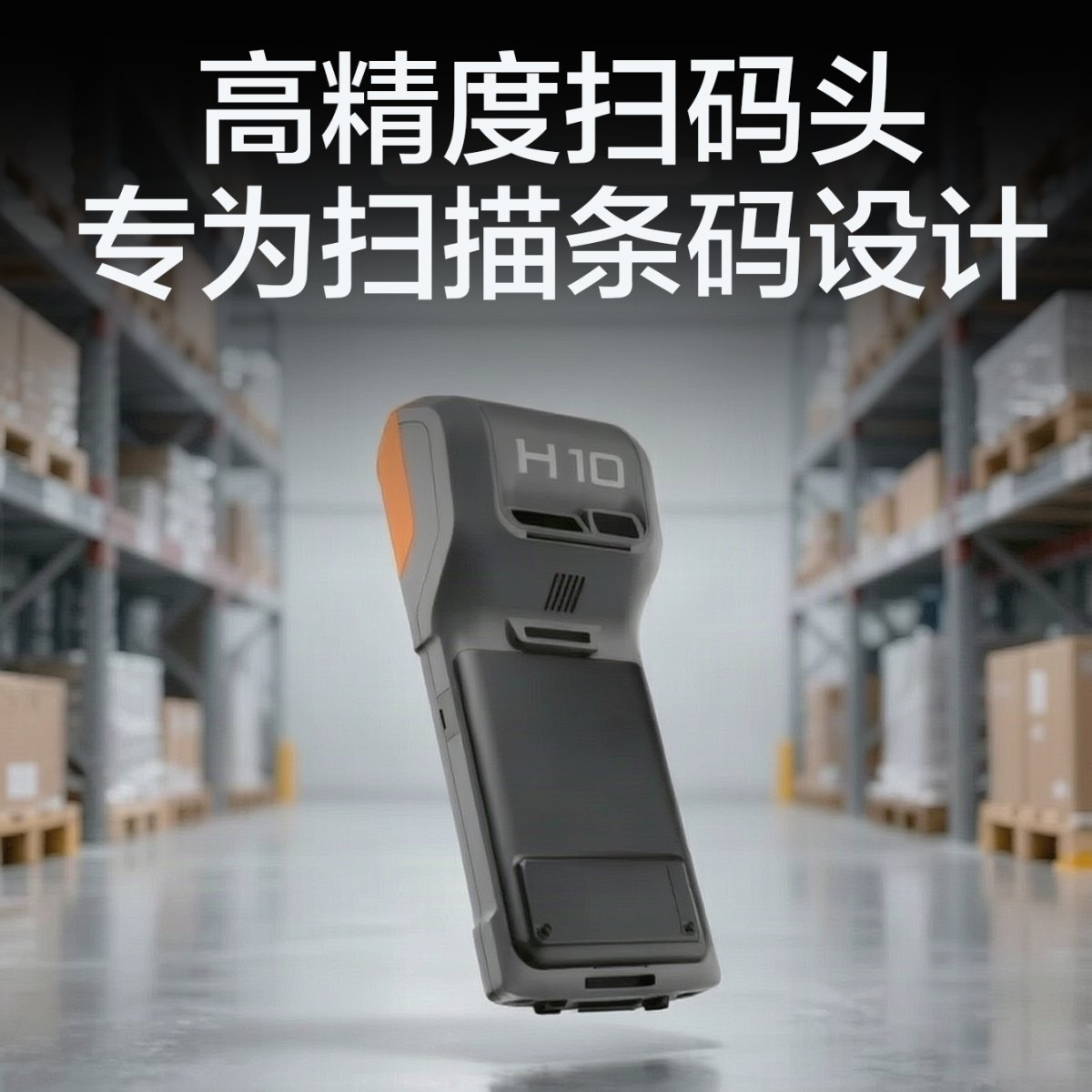
Take payments where there is no counter — stalls, markets, pop-ups
Learn more